




Protokół fotograficzny
Digital photographic protocol, other names: digital photographic report, digital patient portrait, dental photography, dental photo protocol.
| Name: | Photographic Protocol |
| Duration of the scan: | ~ 20 - 30 min. |
| Radiation dose: | Not applicable |
| Is a referral required: |  |
| Does it require preparation: | |
Dental photography – supporting traditional diagnostics
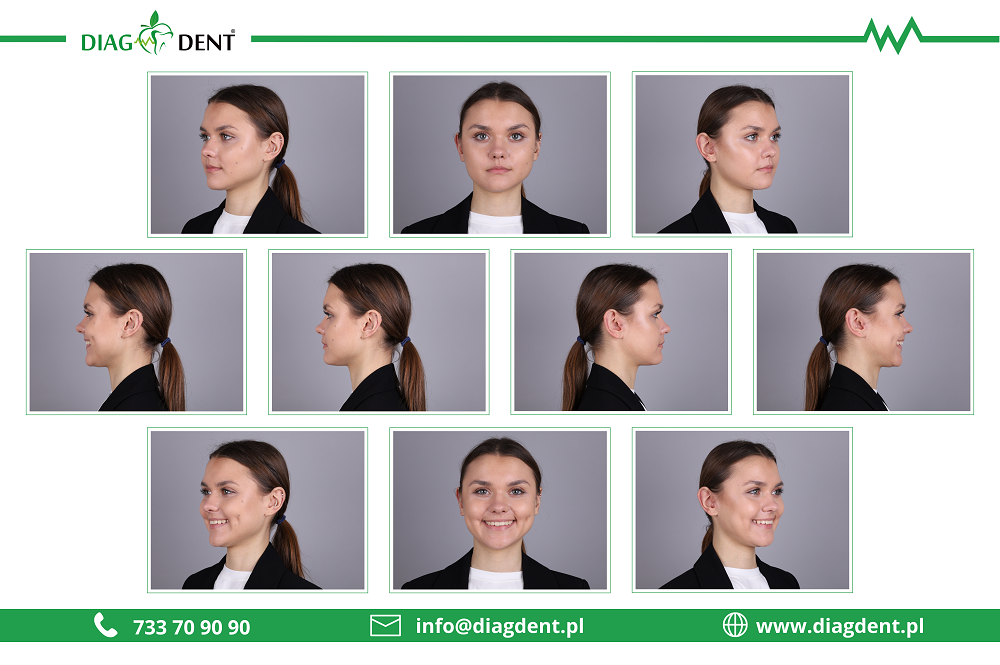
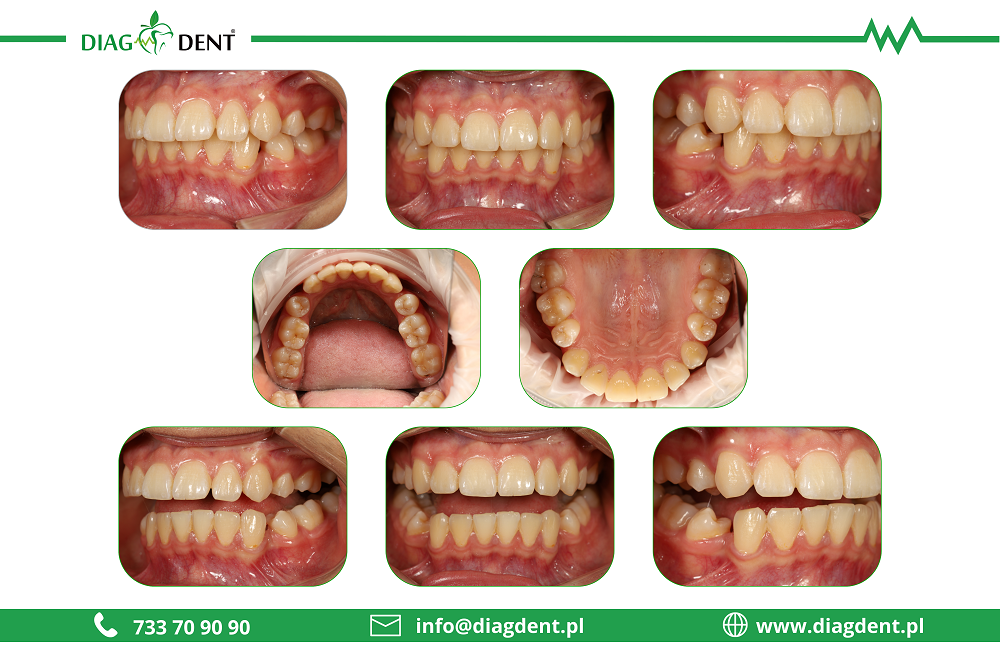
Dental photography is a modern and safe method of supplementing a patient's medical records. It includes not only close-up photos of teeth, but also images of the oral cavity and face. Close-up photos of dentition are extremely helpful when planning and evaluating treatment outcomes. Portrait photos of the patient are a vital element of the smile design process.
Why is dental photography important?
Changes occurring in the patient's mouth during treatment are practically impossible to track from memory alone. A complete set of dental photos simplifies the doctor's work, enabling them to analyze progress—for instance, in malocclusion correction and other treatment cases. Combined with diagnostic results such as a pantomogram, cephalometry, or an intraoral scan, the doctor receives a comprehensive diagnostic model of the patient. Thanks to these photos, the patient also gains peace of mind knowing that their dentist is conducting treatment according to the agreed-upon plan.
How to take a good dental photograph?
For optimal photographic documentation, digital photography setups consisting of a proper camera, macro lens, and specialized lighting are recommended. Our photography equipment is top class. Of course, advanced gear isn't everything; knowing how to leverage its capabilities is key. Our specialists pay attention to the essential details that determine whether a photo session is successful:
- Exposure – proper lighting is crucial for image quality. Poor lighting results in low-quality images.
- Proper angle – photographing at an incorrect angle leads to distorted perspectives.
- Framing – to take a clear photo, dental mirrors and retractors must be properly positioned. If done incorrectly, the photographer won't capture the target area properly.
- Appropriate magnification – valuable photographic documentation requires skillful control of magnification ratios.
Dental photographic documentation serves as the starting point for analysis and creating a precise treatment plan; therefore, the photographic material must be of the highest quality. We know how to capture the best shots!
When should you get a digital photographic protocol?
A digital photographic protocol is a great complement to other types of dental diagnostics. The photographic material can be used in orthodontic treatment (for both traditional braces and clear aligner systems) or implant treatment. It also supports the work of prosthodontists, oral surgeons, and aesthetic medicine practitioners.
Benefits of completing a digital photographic protocol:
- Ability to precisely evaluate successive stages of treatment
- Documenting the results of completed dental procedures
- Complementing complete medical records
- Better communication with the dental laboratory
- Foundation for Digital Smile Design (DSD)
How to prepare for the session?
How should you prepare for dental photos? Here are a few important tips. Take care of your oral hygiene before the session – disposable toothbrushes are available for patients at our clinic. Applying a moisturizing lip balm the day before and on the day of your appointment is recommended. Please remove all jewelry from the head and neck area. We also ask that you avoid wearing clothing that covers your neck (such as turtlenecks). Your face should be free of makeup, or feature very natural makeup that does not alter facial features. Long hair should be tied back so that ears are fully exposed. Active cold sores, aphthous ulcers, or angular cheilitis (cracked mouth corners) are contraindications for performing the session, as bacterial infection can easily spread; if you experience any of these conditions, please reschedule your visit until fully healed.
What does a dental photo session look like?
A dental photographic protocol consists of a set of about twenty high-quality extraoral and intraoral photos. Our photographer captures full-face shots, profile photos, and close-up views of the teeth. The patient is asked to display a natural smile, followed by a relaxed, natural face view with muscles un-clenched. The series of intraoral photos is taken using dental mirrors and retractors – specialized dental instruments that provide comfortable access to the mouth cavity and better exposure of the teeth. The photo session takes about 20 to 30 minutes, during which the patient remains in a comfortable seated position.
How much does a dental photo session cost?
Diagdent has maintained some of the best prices for diagnostic imaging on the market for many years. Currently, the price for a dental photographic protocol is 130 PLN. The protocol is also included in selected diagnostic packages that bundle other services into several cost-effective offers. A detailed price list of all examinations and packages available at our clinics can be found here.
Where to get professional dental photos taken?
We invite you for digital dental photos at our Diagdent Centrum clinic in downtown Warsaw and our Diagdent Wrocław clinic. Opening hours: Mon–Fri 8:00 AM–8:00 PM, Sat 9:00 AM–3:00 PM.
Where to complete the protocol?
36 Emilii Plater St., 00-698 Warsaw
Ready for your photo session?
A photographic protocol at Diagdent costs 130 PLN. The session takes 20–30 minutes, is painless, radiation-free, and requires no referral. You will receive your results during your visit.